Owning your own business is a dream for many people. A business that arguably requires minimal day-to-day time and attention, like a self-serve car wash, may be an even more tantalizing dream.
That’s not how one self-serve car wash owner is seeing it.
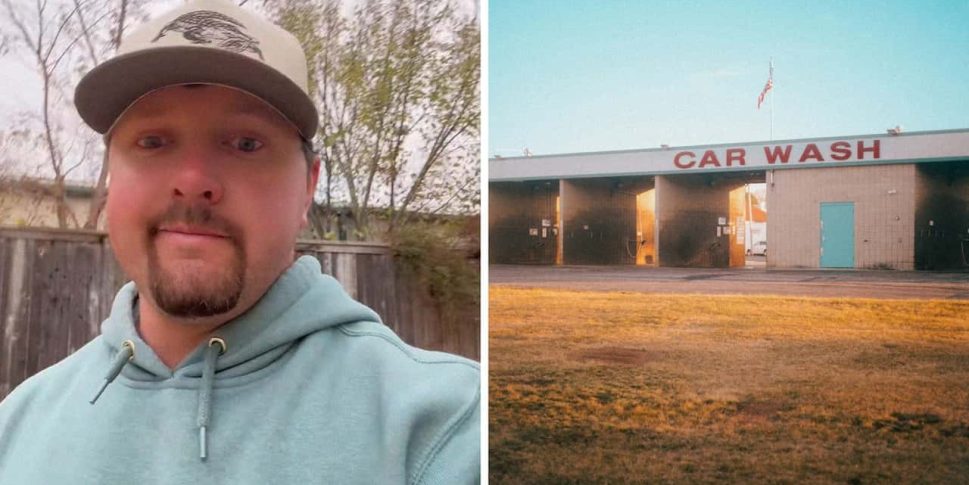
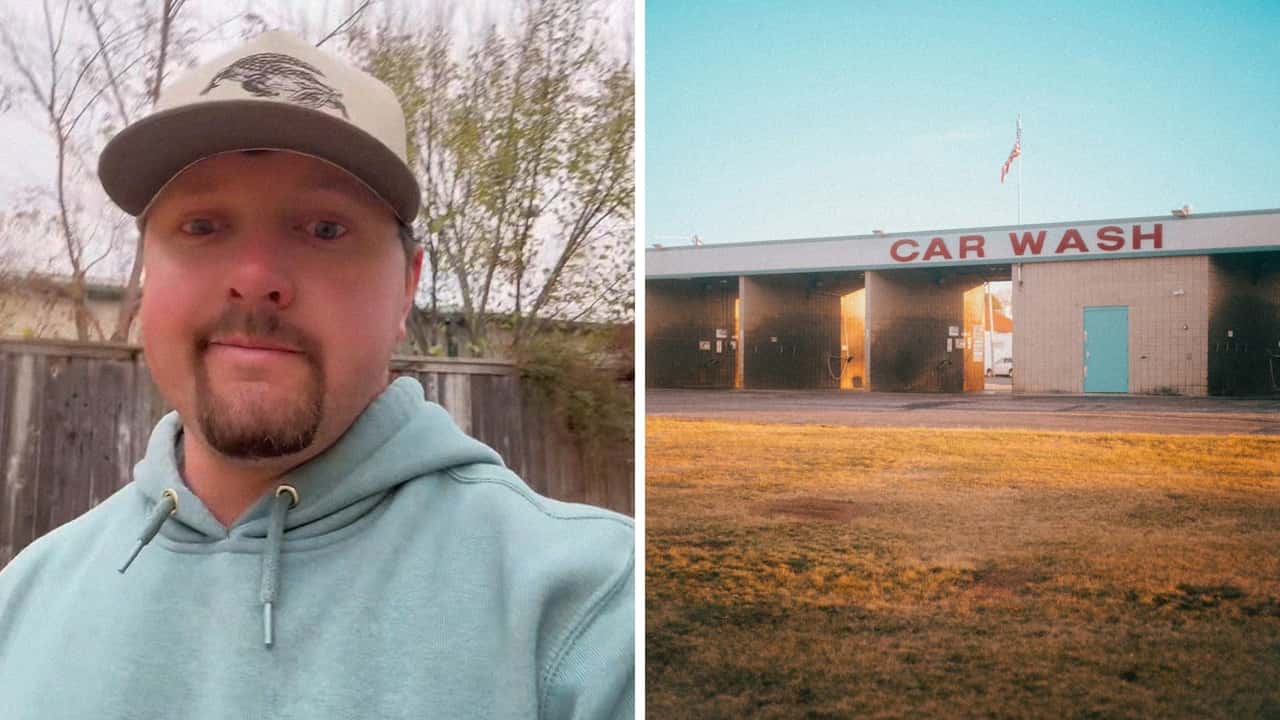
A Texas self-serve car wash owner says he was gone for a few days. When he returned, he found a slew of messy bays, prompting him to rethink his decision to get into the vehicle cleaning game. TikTok user Byrom (@the.byroms2.0) posted a video of his reaction upon returning to his wash, only to find it rife with evidence of heavy customer use.
Byrom begins his video by walking across the bays of his car wash.
“When you go out of town for two days, and you own a self-serve car wash, and you go a few days without maintaining it, this is what you come back to,” he tells viewers.
In the background of his video, some of the terminals have what appears to be random debris, along with dirt and mud, on the ground.
The sight has the TikToker regretting his decision to operate a car wash.
“All your bays tore up, full of mud, trash overflowing,” he says. Afterward, he shakes his head into the camera lens. “Buy a car wash they said,” he remarks sarcastically as his video comes to a close.
Is Owning a Car Wash a Good Business?
Several wealth-growth outlets, like Equity Multiple and SmartAsset, highlight car washes as a potentially profitable ventures. SmartAsset states that the business is “relatively stable” while outlining the pros and cons of different car wash models.
When it comes to self-serve car washes, like Byrom’s, SmartAsset says these businesses can help owners cut labor costs. It calls this model a prime option for those who’d like to “adopt a more hands-off approach to the business.” Another perk is that these car washes don’t require a significant upfront capital investment.
Folks running this type of company just need to outfit individual bays with spray guns, detergents, waxes, and trash receptacles so drivers can clean out their rides. Installing high-powered vacuum systems and dryers to bead off excess water, along with effective drainage for run-off and debris, are also crucial to mitigate sediment build-up on the property.
Of course, as Byrom shows in his video, business owners have to ensure their car washes are regularly cleaned so they don’t end up looking like an abandoned motel pool with stagnant, brown water and detritus. Another benefit of self-serve car washes is that they can operate 24/7 with minimal supervision. Drivers simply pull into a service area, pay, and perform the work themselves.
Other Types of Car Washes
There are other automated solutions, like this Laser 360 touchless car wash found at some Sheetz locations, that also offer 24/7 service. After paying for a wash, folks simply drive their cars into a bay and let the machine do its thing. These types of car washes may require a larger initial investment, as the apparatuses that spray cleaning agents, blast water, and dry a vehicle can cost anywhere from $10,000 to $30,000 or more.
Much like a self-serve wash, these systems can theoretically be utilized by customers at any time of day, as long as they’re in proper working order. However, interested business owners should also consider maintenance costs for these systems. Shinewash Tech, which sells automatic car washes, writes that, on average, these machines can cost upwards of $10,000 or more to operate annually. So, one may want to consider how much business they expect to drum up after installing one of these machines to see if operating an automated bay car wash is worth the cost.
Full-service touchless car washes are another option; however, they entail higher labor and staffing costs. These businesses usually offer more in-depth cleaning packages and, consequently, potentially higher profits. That’s because the extra attention to detail and cleaning adds labor costs.
Downsides of Operating a Car Wash
SmartAsset urges business owners to look at any environmental regulations before installing a car wash. Proper disposal of trash and debris, and adherence to any approved chemical/detergent regulations, will ensure they’re not violating any local laws or dumping hazardous water into the ground.
Franchise City lists several reasons why folks may want to avoid owning a car wash altogether. For example, complications with landscaping and zoning laws could cause headaches for owners. Additionally, the costs of more complex automated car wash systems, such as conveyor belts, hydraulics, pumping stations, and boilers, could balloon to around $700,000.
Obtaining permits for a car wash, purchasing and maintaining a water treatment system, and reclaiming system could incur an additional $150,000 cost. Then there are fees for electronic tunnel controllers and relay installation/servicing, which can add an extra $200,000. This means that if you’re looking to invest in an automatic, full-service car wash system, you could be shelling out over a million bucks.
But when it comes to more pared-down self-serve car wash business models, there’s no shortage of proponents. Commenters on one Reddit thread called them a great startup business that doesn’t require a lot of money out of the gate to own and operate effectively. YouTuber Tyler Cauble also highlighted many of the upsides to taking on this investment to increase one’s cash flow. But some folks, like The Revestor, think car washes are ultimately “a dying business.”
Motor1 has reached out to Byrom via TikTok direct message for further comment. We’ll update this if he responds.
